Binsar Wildlife Sanctuary Introduction
Located in the Kumaon region near Almora, the Binsar Wildlife Sanctuary is probably one of the most serene places in the state of Uttarakhand. The area is surrounded by thick forests of oak and rhododendron trees, making it a location that gives stunning views of the Himalayan peaks along with plentiful wildlife and beautiful forest paths.
The Binsar Wildlife Sanctuary travel guide will help you know everything about visiting timing, transportation to this place, trekking routes, safari information, ticket charges, accommodations, and tips on how to travel. Whether it’s about holidaying or a Weekend Trip from Delhi, Binsar Wildlife Sanctuary Uttarakhand has much to offer you in terms of a nature-filled adventure.
Plan your Binsar Wildlife Sanctuary tour with ASAPHolidays and make the most of your stay with us through personalized tour packages of Uttarakhand.
Why Binsar Wildlife Sanctuary is Famous

The Binsar Wildlife Sanctuary is known for its beautiful Himalayan forests, stunning mountain vistas, birdlife, and serene environment. This is one of the finest places in Uttarakhand for Eco Tourism, where tourists can enjoy nature without any commercial crowd as seen in other national parks.
This wildlife sanctuary is particularly famous for:
- Zero-Point viewpoint to admire the breathtaking views of the Himalayas
- Oak, pine, and rhododendron forests in abundance
- Himalayan fauna
- The opportunity for bird watching and 200+ species of birds
- Nature Walk in Uttarakhand
- Forest Trails Uttarakhand
- The peaceful setting suitable for disconnecting from technology
- The rich biodiversity of the region
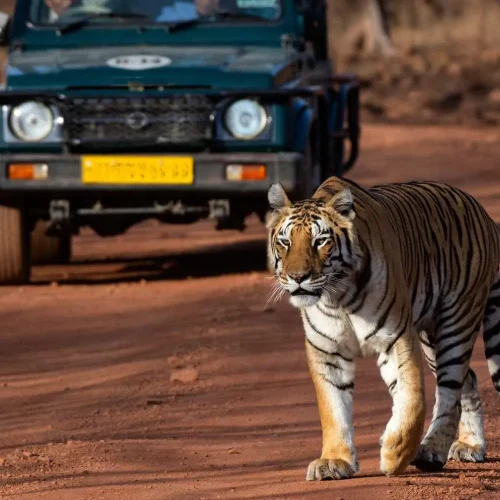
Unlike conventional wildlife parks where visitors can only see tigers in the forests, the tourism in Binsar Wildlife Sanctuary is about exploring forests and biodiversity in the Kumaon Himalayas.
History of Binsar Wildlife Sanctuary
Historical Context
The area where Binsar Wildlife Sanctuary lies had been chosen by the Chand Kings as their summer capital from the 11th century to the 18th century because of the pleasant climate, thick vegetation, and panoramic views of the Himalayan ranges.
In the years gone by, these forests have not been disturbed much and so still maintain their ecological importance.
Why This Wildlife Sanctuary is Designated
Realizing the need for preserving the flora and fauna of the Himalayan region, the government of Uttarakhand announced Binsar Wildlife Sanctuary as a protected wildlife sanctuary in 1988.
Reasons for making Binsar a wildlife sanctuary are:
- To preserve the habitats of Himalayan wildlife
- For the conservation of dense broad leaf forests
- For promoting eco-friendly tourism
- For wildlife preservation
Currently, Binsar is regarded as the best example of Eco Tourism Uttarakhand.
Importance for Uttarakhand Tourism
While Jim Corbett National Park draws in more visitors, Binsar Wildlife Sanctuary has gained popularity amongst tourists who desire tranquility in the Himalayas.
The increasing fame of being among the Best Hidden Places in Uttarakhand makes this place an excellent choice for people who want to enjoy nature but do not like tourist places.
Location of Binsar Wildlife Sanctuary

Where is the Location of Binsar Wildlife Sanctuary?
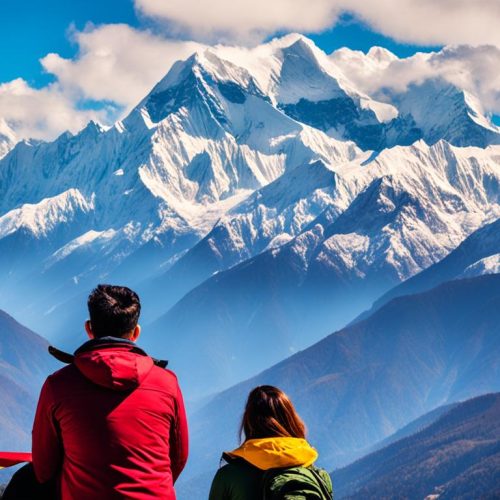
The Binsar Wildlife Sanctuary in Uttarakhand is situated in the Almora district, having an altitude of around 2,420 meters above sea level. The wildlife sanctuary is situated around 30 km away from the city of Almora and enjoys breathtaking views of the peaks of Nanda Devi, Kedarnath, Trishul, Shivling, and Panchachuli on a clear day.
The favorable climate conditions of this wildlife sanctuary make it an ideal spot for nature lovers.
Distance from Major Cities
City | Approximate Distance |
Delhi | 380 km |
Nainital | 95 km |
Almora | 30 km |
Kathgodam | 120 km |
Dehradun | 360 km |
The easy access makes it perfect for short as well as long Binsar Wildlife Sanctuary trip to Uttarakhand.
Getting to Binsar Wildlife Sanctuary
There is easy accessibility to reach Binsar Wildlife Sanctuary via air, rail, and road routes.
By Air
Pantnagar Airport is the closest airport to Binsar Wildlife Sanctuary, which is about 150 km away. Taxis can easily be availed from Pantnagar Airport to reach Binsar.
By Rail
The nearest rail station is that of Kathgodam Railway Station, which is about 120 km away. This railway station has connections with Delhi, Lucknow, and Dehradun.
Some famous trains are:
- Ranikhet Express
- Shatabdi Express
- Uttar Sampark Kranti
From Kathgodam, one can take taxi services to reach Binsar.
Road Trip
A road journey to Binsar wildlife sanctuary trip is a very easy choice.
Some of the most commonly chosen routes by people are:
Delhi → Hapur → Moradabad → Rampur → Rudrapur → Haldwani → Almora → Binsar
Roadways here offer great scenery, especially after Almora, because of pine forests and mountains.
Self-Drive Advice
- Depart early from Delhi.
- Drive carefully along the mountain paths.
- Avoid driving at night through forest regions.
- Fuel your car at Almora as petrol pumps are scarce around Binsar.
- Take offline maps since the network is spotty.
A self-drive trip can be a wonderful Weekend Getaway from Delhi, especially if you like mountain roads.
Mode of Local Transportation
Travelers may opt for:
- Taxis
- Carriages from Almora
- Tour operators
- Private cabs
Many resorts also provide guided tours of the city.
Binsar Wildlife Sanctuary Best Visiting Season

The major advantage of Binsar Wildlife Sanctuary is that the sanctuary is attractive all throughout the year with each season having its own beauty.
Summer Season (March-June)
The summer season is regarded as one of the best visiting seasons for Binsar Wildlife Sanctuary.
Points to consider:
- Good temperatures (12°C-28°C)
- Breathtaking views of Himalayas
- Conducive trekking environment
- Best time for bird watching
- Picture-perfect destination
Visitors, families and couples usually prefer this time of the year for their Binsar Wildlife Sanctuary itinerary.
Monsoon (July-September)
It is when the sanctuary becomes an emerald heaven during the monsoon.
Features:
- Greenery everywhere
- Misty mountains
- Coconut-filled atmosphere
- Less number of tourists
- Perfect for photography
But you should be careful about landslides and slippery paths sometimes.
Winter Season (October to February)
Winter brings cool mountain climate and breathtaking views of the Himalayas.
Key Points:
- Blue skies
- Conducive day time climate
- Best wildlife movement
- Serenity of surroundings
- Great for forest walks
This is an excellent season for people who want a peaceful tour experience of Binsar Wildlife Sanctuary.
Snowfall Experience
Although heavy snowfall cannot be expected every year, December and January sometimes offer light snowfall and make the resort an enchanted winter paradise.
Snow-clad oak woods and majestic views of the Himalayas make the winters particularly enticing for photographers and honeymooners.
Months Best for Wildlife Sightings
The best months for wildlife lovers are:
- March to May
- October to December
This is because they provide pleasant weather and higher chances of sighting mammals and birds.
Weather in Binsar Wildlife Sanctuary Throughout the Year
Month | Temperature |
January | 2°C–12°C |
February | 4°C–15°C |
March | 8°C–20°C |
April | 12°C–24°C |
May | 15°C–28°C |
June | 16°C–27°C |
July | 17°C–24°C |
August | 17°C–23°C |
September | 15°C–23°C |
October | 10°C–21°C |
November | 6°C–18°C |
December | 3°C–14°C |
Things to Carry
Your pack items will depend on the season, but these items are mandatory to carry for the Binsar Wildlife Sanctuary itinerary:
- Cozy trekking shoes
- Warm jackets (Winter)
- Raincoat (Monsoon)
- Binoculars for bird watching
- DSLR or mirrorless camera
- Power Bank
- Torch
- Reused water bottle
- Medicines (Personal)
- Sunscreen and sunglasses
Carry smart and you are guaranteed to enjoy your trip to the mesmerizing Forest Trails Uttarakhand and the Nature Walk in Uttarakhand.
Eager to explore the most peaceful place in Kumaon Himalaya region?

ASAPHolidays provides you with custom tour packages to Uttarakhand along with comfortable accommodation, transportation, and assistance in planning your trip to Binsar Wildlife Sanctuary. If you are looking forward to exploring something different in life, or having a great time with wildlife, then our travel experts will customize the best package for you.
Biodiversity in Binsar Wildlife Sanctuary
Binsar Wildlife Sanctuary is known for its amazing diversity of flora and fauna that makes Binsar an attractive place for eco-tourism in Uttarakhand.
Oak Forest
Oak forests are found in abundance in Binsar Wildlife Sanctuary which also serve as the home for several bird and mammal species.
Pine Forest
Chir Pine trees also form part of the forests that make the area beautiful and create great forest trails in Uttarakhand.
Rhododendron Trees
During the season of spring, the rhododendrons bloom in red and pink colors.
Himalayan Medicinal Plants
Some of the medicinal plants of the Himalayas also grow in abundance in Binsar Wildlife Sanctuary.
Wildlife in Binsar Wildlife Sanctuary
Several mammals from the Himalayas live in Binsar Wildlife Sanctuary.
- Leopard: The top predator in Binsar Wildlife Sanctuary.
- Barking Deer: Spotted frequently while taking an early morning walk.
- Himalayan Goral: Seen often in rocky areas.
- Wild Boar: Seen frequently within forested regions.
- Flying Squirrel: Most active at nighttime.
- Other Mammals: Langur, fox, porcupine, and yellow-throated marten.
Birds in Binsar Wildlife Sanctuary
This place is a delight for bird enthusiasts and is known for its Binsar Wildlife Sanctuary tourism which attracts many bird enthusiasts.
- Himalayan Monal
- Woodpeckers
- Eagles
- Thrushes
- More than 200 species of birds
The sanctuary provides one of the finest opportunities for bird watching in Uttarakhand.
Things to Do at Binsar Wildlife Sanctuary
- Take an enjoyable Nature Walk in Uttarakhand
- Birdwatching
- Snap photos of wildlife
- Watch sunrises and sunsets from beautiful viewpoints
- Have fun and explore Binsar Wildlife Sanctuary trekking
- Stay overnight in Binsar Wildlife Sanctuary camping (out of the core protected zone)
- Spend time enjoying the view of stars
Zero Point in Binsar Wildlife Sanctuary
Why Zero Point is Popular
Zero Point provides stunning vistas of Himalayan peaks.
Zero-Point Trekking Trail
It’s easy to reach this popular site through an oak forest trek.
Himalayan Mountains
Visitors can catch views of Nanda Devi, Trishul, Kedarnath, Panchachuli, and Chaukhamba on clear days.
Trekking in Binsar Wildlife Sanctuary
Populated Trek Paths
- Entry Gate to Zero Point
- Forest Nature Path
- Village Treks
Trek Level
Easy to Moderate level for beginners.
Trekking Advice
- Have trekking shoes.
- Have water with you.
- Trek early in the morning.
- Maintain a trail while trekking.
Binsar Wildlife Sanctuary – Safari Tour Experience

Jeep Safaris – Are They Available?
Unlike Corbett National Park, there is no Binsar Wildlife Sanctuary jeep safari available.
Nature Walks/Paths
Guests have the opportunity to walk through wonderful nature paths accompanied by a guide.
Guided Tours
The guided tour of Binsar Wildlife Sanctuary is enhanced with the help of a local guide.
Binsar Wildlife Sanctuary Information about Entrance Fees
(The fees may vary; do check for any changes prior to your visit.)
- Indian Tourist: ₹150-₹200 (approx.)
- Foreign Tourist: ₹600-₹700 (approx.)
- Vehicle Fee: Additional
- Camera Fee: Free for mobile generally; professional cameras might attract additional fee.
- Opening Time: 6:00 AM – 5:30 PM
Top Places to Visit near Binsar Wildlife Sanctuary
- Zero Point
- Kasar Devi Temple
- Jageshwar Temple
- Almora
- Chitai Golu Devta Temple
- Katarmal Sun Temple
This list completes your Binsar Wildlife Sanctuary itinerary in 2 days.
Top Hotels near Binsar Wildlife Sanctuary
Luxury Resorts
Premium resorts set amidst forests with views of the Himalayas.
Moderate Hotels
Plush hotels located in Almora and Binsar.
Economy Hotels
Value-for-money guest houses and resorts.
Homestays
The perfect choice to have an authentic Binsar Wildlife Sanctuary experience.
Book your accommodation with ASAPHolidays to get the best hotel offers & Uttarakhand tour packages.
Where to Eat Around Binsar Wildlife Sanctuary
Do not miss local Kumaoni food such as Bhatt ki Churkani, Aloo ke Gutke, and Madua Roti.
Also, there are many small eateries and restaurants around Almora that serve North Indian and local food.
Photography Tips for Binsar Wildlife Sanctuary
- Sunrise at Zero Point.
- Bring a zoom lens for shooting wildlife.
- Use binoculars to take pictures of birds.
- Never use a flash when near wildlife.
- Have extra batteries and memory cards.
Binsar Wildlife Sanctuary Travel Tips
Forest Regulations
Don’t litter and disturb wildlife.
Safety Precautions
Walk only on marked trails and don’t walk alone at night.
Mobile Coverage
Network availability is sparse in the sanctuary.
Cash
Carry cash since ATMs are available only in Almora.
Tourism Tips for Responsible Travelers
Encourage local enterprises and conserve this Hidden Destination in Uttarakhand.
Binsar Wildlife Sanctuary Itinerary 2 days Trip Plan
Day 1
- Reach Binsar
- Hotel check-in
- Nature walk
- Zero-Point visit
- Sunset photography
Day 2
- Bird watching in the morning
- Little forest trekking
- Kasar Devi temple visit
- Almora exploration
- Journey back home
The above itinerary of Binsar Wildlife Sanctuary suits best for a pleasant Weekend Trip from Delhi.
Why Binsar Wildlife Sanctuary deserves to be visited at least once by You
Nature lovers: Calm Forest and mountains views.
Bird watchers: 200+ bird species.
Couple: Romantic sunsets of Himalaya range.
Family: Safe and educational experience.
Solitary traveler: Great place for relaxation.
The question is, “Is Binsar Wildlife Sanctuary worth visiting?” The answer will definitely be yes, if you love nature and travel off the beaten path.
Conclusion
Binsar Wildlife Sanctuary is certainly one of the best Offbeat Places in Uttarakhand with great bio-diversity, trekking paths, Himalayan views, capes, and an escape from the hustle and bustle of urban life. Whether it’s a short break or a longer trip that you plan, this Binsar Wildlife Sanctuary complete guide will certainly help you have an amazing holiday experience.
Book your Uttarakhand trip now with ASAPHolidays to get customized travel packages with best accommodation options and travel services.
FAQs
Why is Binsar Wildlife Sanctuary known?
It is known for its scenic beauty, wildlife, birds, and treks in the forest.
Where is Binsar Wildlife Sanctuary situated?
It is situated in the vicinity of Almora at Binsar Wildlife Sanctuary Uttarakhand.
When is the best season for visiting Binsar Wildlife Sanctuary?
March-June and October-December.
How much does it cost to visit Binsar Wildlife Sanctuary?
Approximately ₹150-₹200 for Indians.
How do I get to Binsar Wildlife Sanctuary from Delhi?
By road, railway to Kathgodam, or flight to Pantnagar then taking a taxi.
Is there a jeep safari in Binsar Wildlife Sanctuary?
Binsar Wildlife Sanctuary safari is not very common and is rarely found; mainly nature walking safari is preferred.
What animals are there in Binsar Wildlife Sanctuary?
Leopard, barking deer, Himalayan goral, wild boar, langur, and different birds.
Is Binsar Wildlife Sanctuary worth visiting?
Yes, for sure.
How long does one need to visit Binsar Wildlife Sanctuary?
To explore the Binsar Wildlife Sanctuary itinerary 2 days is sufficient.
Can I stay in Binsar Wildlife Sanctuary?
Yes, one can stay in forest lodges, resorts, or homestays.
Is Binsar Wildlife Sanctuary good for bird watching?
Yes, it is one of the best sites for bird watching in Uttarakhand.
Which is better: Binsar Wildlife Sanctuary or Jim Corbett National Park?
Binsar is perfect for serene nature trips while Jim Corbett National Park is for tigers.
Is Binsar Wildlife Sanctuary good for family trips and kids?
Yes, it provides family-friendly tracks and wildlife education opportunities.
Are guides available in Binsar Wildlife Sanctuary?
Yes, guides are available for hiking and wildlife tours in Binsar.
What are the top tourist destinations near Binsar Wildlife Sanctuary?
Zero Point, Kasar Devi Temple, Jageshwar Temple, Almora, Chitai Golu Devta Temple, and Katarmal Sun Temple.