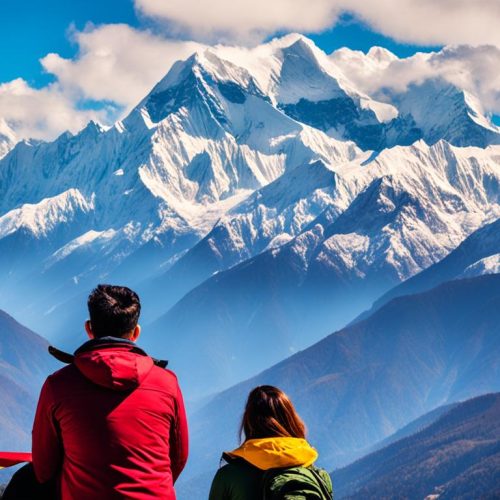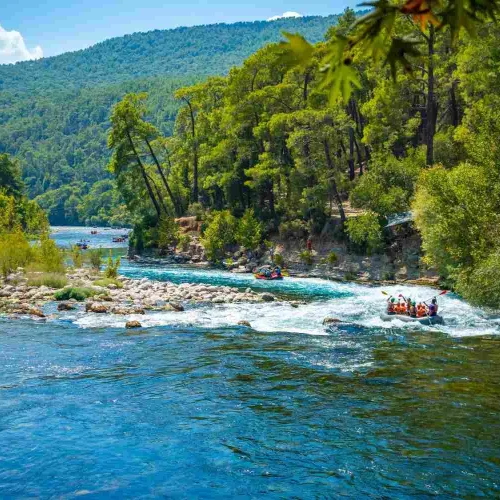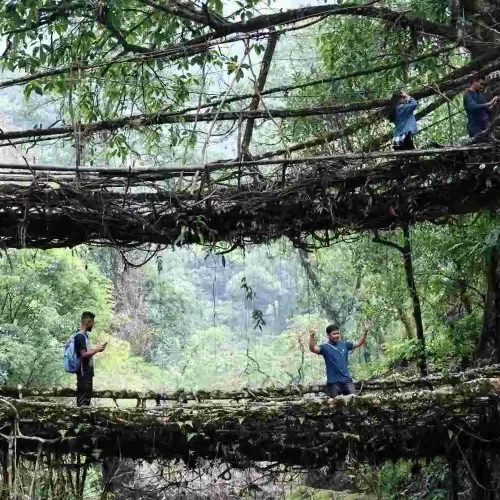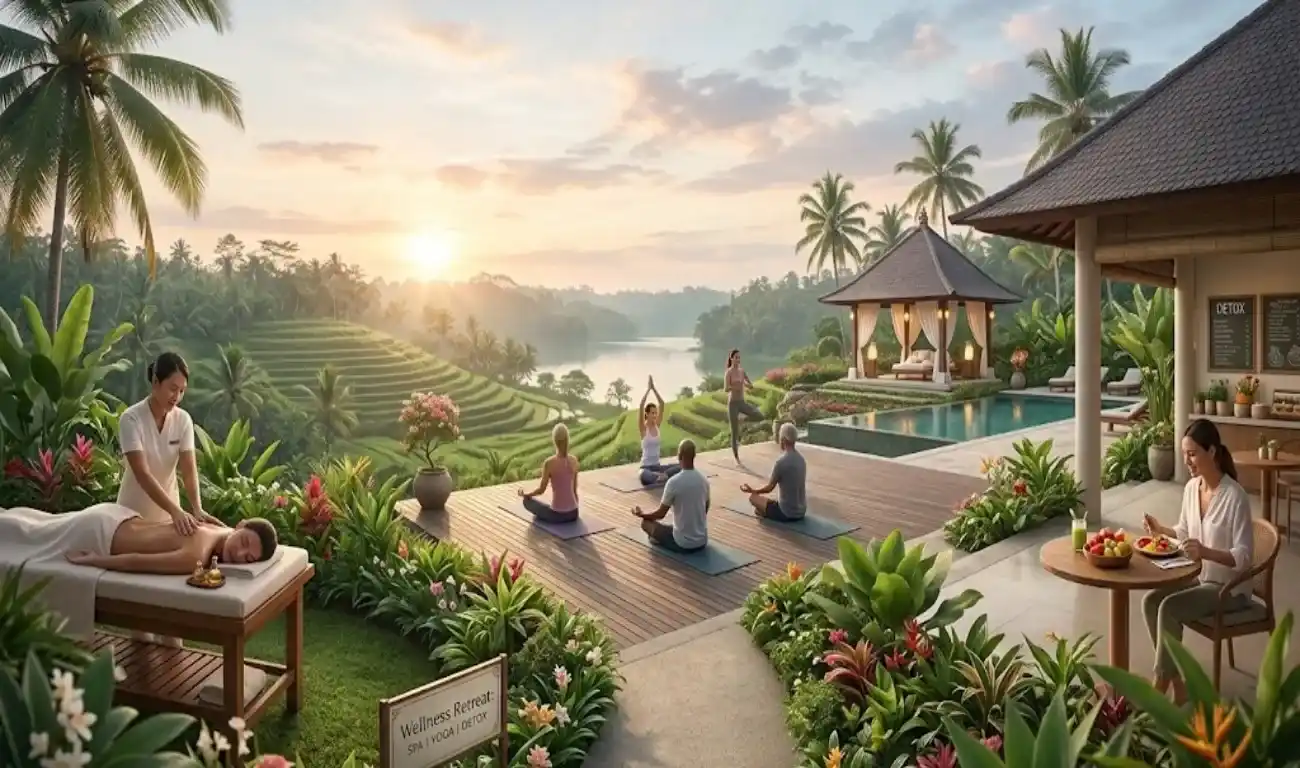
The act of traveling has evolved from just seeing different destinations. People today opt for trips which allow them to unwind and rejuvenate themselves through relaxation, and such health and wellness travel have become an important trend in the tourism sector. Wellness tourism includes things like yoga holidays in Bali, Ayurvedic holidays in Kerala, and high-end spa resorts in Switzerland – all of which give people a chance to improve their physical and mental well-being. At ASAPHolidays, we have observed an increasing interest in health and wellness tourism among couples, families, solo travelers, and professionals seeking a change of pace. Instead of travel itineraries packed with activity, what travelers seek these days is wellness tourism, which involves relaxation and experiential tours. Thanks to the proper planning of wellness getaways packages, there has never been an easier time for you to have such a trip. What Are Wellness Holidays? A wellness holiday is a journey taken with the aim of improving your overall wellness. It differs from an ordinary vacation in that apart from sightseeing, emphasis is also placed on relaxation and making wise choices. Among the things included in such vacations could be: Taking care of the body at spas Yoga and meditation Detoxification and nutrition programs Journeys through nature Healthy local food Physical fitness activities Practicing mindfulness Holistic healing It is very clear and simple – just return home feeling healthier than when you left. Why There Has Been Such a Boom in Wellness Tourism There has been a huge growth in the demand for wellness holidays over the past years. From recent studies within the travel industry, people are searching for activities that enhance their physical fitness, emotional well-being, and quality of life. Here’s how the new preferences are shaping the biggest wellness travel trends 2026 where personalized wellness journeys, nature escapes, and mindful travel are taking over sightseeing tours. Some of the travel trends affecting the above include: 1. More Focus on Emotional Wellness Travelers are becoming more conscious of their mental health. Many tourists find peace of mind by spending time in tranquil settings, meditating, or experiencing nature. 2. Health-Focused Traveling Nowadays, travelers prefer locations that provide healthy food, physical activities, and other programs related to health rather than just entertainment and shopping. 3. Flexible Working Culture Flexibility in working arrangements due to remote and hybrid working has helped many individuals enjoy extended time during their holidays by blending work and wellness together through resort stays. 4. Need for Meaningful Experiences Rather than being souvenir collectors, tourists place more importance on having experiences that will have an impact on their life. Types of Wellness Holidays Packages There is no denying that all wellness tourists are different from each other. Thankfully, there is a type of wellness travel package suitable for everyone. Spa Traveling Packages Spa traveling packages are considered to be among the most common wellness travel packages. Massages, hydrotherapy, aromatherapy, thermal baths, and various beauty treatments make people feel relaxed. Popular spa locations include Thailand, Bali, Switzerland, Hungary, and the Maldives. Yoga Retreats Yoga retreats provide the perfect environment for tourists to increase their flexibility, be mindful, and relax. Usually, yoga retreats have classes for meditation, healthy meals, and workshops. Some popular locations for yoga retreats are India, Bali, Sri Lanka, Nepal, and Costa Rica. Detox Holidays Detox holidays concentrate on making you eat well, workout and improve your lifestyle. It may contain such elements as nutritional advice, juice cleansing, physical activities, meditations and even health consultancy. These holidays enable travelers to break their bad habits. Ayurveda and Holistic Health India has traditionally been known for its Ayurveda, which is one of the most ancient holistic practices on earth. People from all over the world come to Kerala which is one of the best wellness destinations to try out some of these treatments. Wellness Experiences Popular Among Travelers Each individual has a unique definition of relaxation. This is the reason why there are diverse wellness experiences provided by the industry for travelers. Digital Detox Retreats Among the most quickly developing travel trends are those associated with digital detox retreats. People are advised to take some time off from mobiles, emails, and social networks and spend more time in nature and meditation. The results of such vacations show that one can relax and concentrate better even after just several days without all those distractions. Yoga and Meditation Retreats For individuals seeking balance in life, there are yoga and meditation retreats which provide a planned program of doing yoga every day, meditation, and healthy eating among other mindfulness practices. Such programs can suit both newbies and advanced practitioners. Holistic Wellness Retreats Modern-day tourists have started preferring holistic wellness retreats that emphasize wellness as a whole, rather than a treatment in isolation. Such retreats generally involve a combination of good nutrition, physical activity, spa services, meditation, breathing techniques, and wellness counseling. Ayurveda Wellness Retreats India remains one of the top destinations in the world when it comes to Ayurveda wellness retreats. Ayurveda wellness retreats include treatments through Ayurvedic healing techniques, personal consultations, herbs, and nutrition. Spa and Wellness Resorts Today’s spa and wellness resorts have gone beyond offering only spa services. Some of these modern spas offer wellness evaluations, fitness sessions, healthy eating options, sleep therapy, hydrotherapy, and wellness programs tailored to total rejuvenation. Top Wellness Vacation Spots for 2026 Bali, Indonesia The island of Bali remains popular amongst those looking for places to practice yoga, wellness resorts, organic cuisine, and beautiful nature. Thailand Thailand provides world-class spas, wellness destinations, beachside yoga classes, and great hospitality facilities at all budget levels. Kerala, India Known for the real Ayurvedic treatment, Kerala offers greenery, backwaters, and wellness programs to relax completely. Maldives Maldives is an ideal place to enjoy luxurious wellness getaways with over water bungalows, beachside spas, meditations, and complete privacy. Switzerland For people who want to have the alpine experience along with the wellness centers, Switzerland is the place to be. Japan Japan combines its ancient wellness techniques

20 Cheapest Countries to Visit from India with Family in 2026
Do you dream of traveling overseas without spending much? There are plenty of travel destinations which can offer you all kinds of experiences, stay comforts, and thrilling activities all in one package and this, too, within your budget. In this list of International Travel Guide: 20 Cheapest Countries to Visit from India in 2026, there is a lot for everyone depending on what they are interested in – whether they prefer mountains or beaches! The growing number of low-cost carriers from India, international holiday packages, and budget holiday packages tailored specifically to your needs, make planning that overseas holiday easy. Are you planning your next budget international holiday soon? Then here is a guide for the 20 Cheapest Countries to Travel from India. Why opt for Budget International Destinations from India? It is no longer necessary to spend a fortune to travel abroad. In fact, there are many budget travel destinations near India which provide great value for money. Many countries also offer visa-free travel or easy visa processes, lessening travel costs and planning headaches. Benefits of Visiting 20 Cheapest Countries to Visit from India are: Many of these places are also among the best budget international trips from India and are perfect for travelers looking for a foreign trip under ₹30,000 from India or international trips under 50,000 rupees from India. 1. Nepal Due to its proximity and affordability, Nepal is consistently one of the 20 Cheapest Countries to Visit from India. Indian citizens can travel to many countries without a passport or visa, making it one of the easiest international destinations to visit. Top Attractions: Why Go? 2. Bhutan Bhutan is famous for its beautiful Himalayan scenery and eco-tourism. It is one of the most peaceful and affordable countries near India. Best Things to Do in Best For: Bhutan is one of the cheapest countries to visit from India with family and has unparalleled serenity.Average budget INR 25,000 – INR 50,000 3. Sri Lanka Sri Lanka is still one of the most popular additions to the 20 Cheapest Countries to Visit from India list. Best Attractions: Highlights Also Sri Lanka is one of the cheapest countries to visit from India for couples who want to have romantic beach escapes. Average Budget: Rs. 30,000-Rs. 55,000 4. Bangladesh Bangladesh is a cheap country to travel, with tasty food and a rich culture. Best Places to visit: As a neighboring country, it is one of the cheapest foreign trips under budget. Average Budget ₹20,000 – 45,000 5. Thailand Thailand has for long been one of the best international budget destinations from India. Tourist Attractions: Why Indians are crazy for Thailand: Thailand is also one of the most popular cheapest countries for honeymoon from India. Average Budget: Rs.40,000–Rs.70,000 6. Vietnam Vietnam is a destination where you can find affordability, history and natural beauty Best Attractions: It is one of the fastest growing budget international destinations for Indians. Average Budget: Rs. 35,000-65,000 7. Kampuchea Cambodia with the famous Angkor Wat is a great value. Top Attractions: Plus, Cambodia is one of the best backpacking destinations in SE Asia. Average Budget: Rs 35,000 – Rs 60,000 8. Laos Laos is still among the hidden gems in 20 Cheapest Countries to Visit From India. Places to Go: Ideal for travelers looking for offbeat experiences and budget travel overseas from India. Average Budget- ₹40,000- ₹65,000 9. Indonesia Every year, thousands of Indian tourists are attracted to Indonesia, especially to the island of Bali. Main Attractions: This place is one of the cheapest countries to visit from India for couples and honeymooners. Average Budget: ₹45,000-₹80,000 10. Malaysia Malaysia has modern cities, beaches and theme parks at affordable prices. Popular Attractions: Best option for cheapest countries to visit as a family from India. Average Budget : Rs. 40,000-Rs. 75,000 11. Philippines Island hopping, and pristine beaches is what the Philippines is renowned for. Famous Places to visit: It is emerging as one of the affordable travel destinations for Indian travelers. Average Budget: Rs 50,000 to Rs 85,000 12. Uzbekistan Uzbekistan has Silk Road history and gorgeous Islamic architecture. Top Sights: One of the best underrated international destinations on a budget for Indians. Average budget: ₹45,000-₹80,000 13. Kazakhstan (Kazak) Kazakhstan is a country of modern cities and dramatic landscapes. Must Watch: It is shaping up to be one of the cheapest countries to travel from India in summer. Avg. Budget: Rs 50,000 – Rs 85,000 14. Kyrgyzstan Paradise for trekking and mountain lovers. Top Things to See: It is one of the popular budget foreign trips for Indian students on a budget. Average budget: ₹45,000-₹75,000 15. Azerbaijan Azerbaijan is a unique combination of Europe and Asia. Best Places to Visit: It is one of the most budget-friendly locations with e-visa amenities. Average Budget: ₹50,000-₹85,000 16. Armenia Armenia boasts ancient monasteries and stunning landscapes. Famous Attractions: Perfect for the cultural explorers looking to go abroad on a budget. Average Budget: Rs. 45,000 – Rs. 80,000 17. Georgia Georgia is now one of the most popular additions to the 20 Cheapest Countries to Visit from India. Must-see attractions Often listed among visa on arrival countries and budget European experiences. Average budget: Rs 50,000 – Rs 90,000 18. Turki Turkey offers incredible value considering its rich history and world-famous attractions. Top Attractions: Turkey is one of the most attractive affordable European countries for Indians and offers amazing experiences. Average Budget: ₹60,000–₹1,00,000 19. United Arab Emirates (UAE) The UAE continues to be one of the easiest international destinations for Indian travelers to visit. Must See Attractions: The UAE is well connected with regular flights and great international vacation deals. Average Budget: ₹45,000 – ₹90,000 20. Maldives Despite its reputation as being expensive, budget guesthouses have made the Maldives one of the 20 Cheapest Countries to Visit from India for the savvy traveler. Attractions: It is undoubtedly one of the cheapest honeymoon destinations from India, especially if you book early bird packages. Average Budget : ₹ 60,000 – ₹ 1,00,000 Cost Comparison of
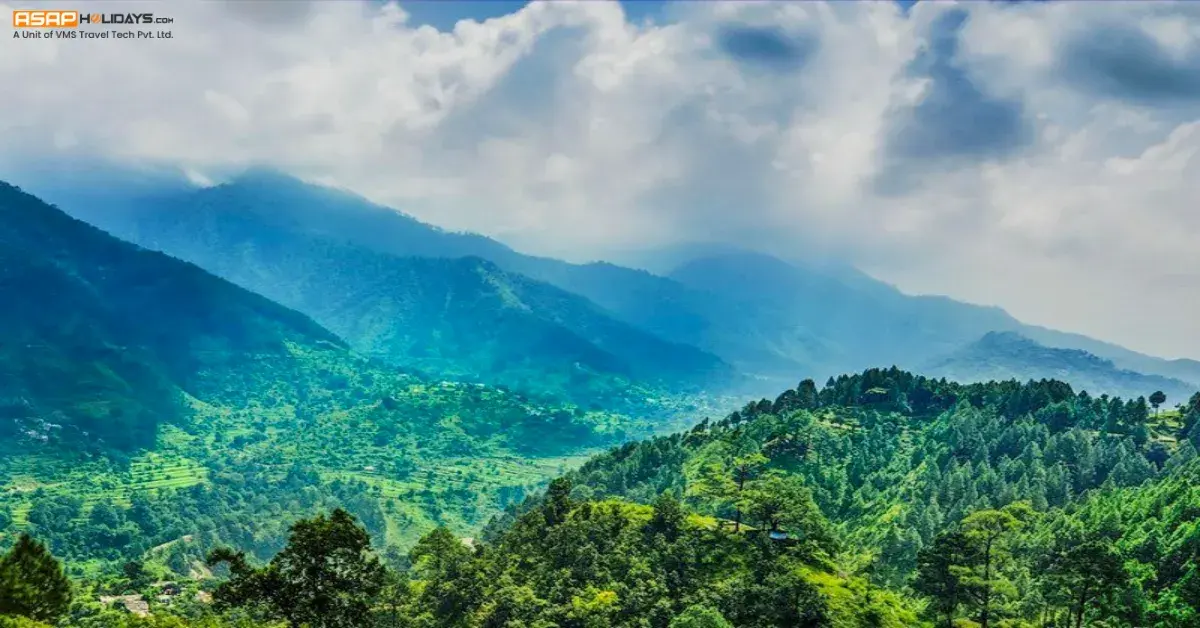
Explore Lansdowne: Nature, Peace & Adventure in the Hills
Imagine waking up to misty mornings, where the scent of pine drifts gently through the air and distant hills fade into shades of blue. Welcome to Lansdowne—a serene hill station tucked away in the Garhwal region of Uttarakhand. Far from the chaos of crowded tourist spots, Lansdowne offers a peaceful retreat where time slows down and nature takes center stage. Perched at an altitude of around 1,700 meters, this charming cantonment town is known for its clean surroundings, colonial-era architecture, and lush green landscapes. Named after Lord Lansdowne, the town still carries an old-world charm that makes every corner feel like a quiet story waiting to be discovered. Explore the untouched beauty of nature Lansdowne is a paradise for nature lovers and adventure seekers alike. One of the most rewarding experiences here is a visit to Tip-in-Top, also known as Tiffin Top. This scenic viewpoint offers sweeping views of the surrounding Himalayan ranges and dense forests. Whether you visit at sunrise or sunset, the view never disappoints. If you enjoy short treks, head towards Bhim Pakora. This fascinating spot features two massive rocks balanced on top of each other, believed to be linked to Bhima from the epic Mahabharata. The short hike to this site adds a sense of adventure to the experience. For wildlife enthusiasts, a trip to Kalagarh Tiger Reserve offers an exciting opportunity to explore the region’s biodiversity. From spotting deer and exotic birds to the rare chance of encountering a tiger, the reserve brings you closer to the wild side of Uttarakhand. If you prefer something more relaxed, spend time at Bhulla Taal, a peaceful man-made lake maintained by the Indian Army. Boating here feels calm and refreshing, surrounded by greenery and chirping birds. Also read: Best Places to Visit in Rajasthan in 2026 Walk through history and spirituality Lansdowne isn’t just about nature—it also offers a glimpse into history and spirituality. The sacred Tarkeshwar Mahadev Temple, dedicated to Lord Shiva, is surrounded by dense deodar forests and offers a deeply peaceful and spiritual experience. For those interested in colonial heritage, St. John’s Church and St. Mary’s Church showcase beautiful architecture and stories from the British era. St. Mary’s Church, now converted into a museum, reflects the cultural and historical roots of the town. You can also visit Kanvashram, believed to be associated with ancient sages. The calm environment here makes it ideal for meditation and self-reflection. A taste of Garhwali flavors Your trip to Lansdowne feels incomplete without exploring the local cuisine of the Garhwal region. Traditional dishes like Chainsoo, made from roasted black gram, and Kafuli, a green leafy curry, offer rich and earthy flavors. Pair your meal with Bhang ki Chutney, known for its unique tangy taste, and enjoy the refreshing Kumaoni Raita. For dessert, try Bal Mithai and Singori—local sweets that perfectly capture the essence of Uttarakhand’s culinary heritage. Shopping and local experiences Lansdowne’s small local markets offer a chance to take home meaningful souvenirs. From handwoven woolens to wooden handicrafts, each item reflects the craftsmanship of the region. Locally made honey and organic products are also popular among visitors. Unlike commercial hill stations, shopping here feels personal and authentic, making every purchase more memorable. Also read: Gangtok Tour Package – Complete Travel Guide for a Perfect Sikkim Holiday Best time to visit Lansdowne Lansdowne welcomes visitors throughout the year, but each season offers a different experience: The annual Sharadotsav adds cultural charm, featuring local traditions, music, and food. Slow down and soak in the simplicity One of the most beautiful aspects of Lansdowne is its unhurried pace of life. Unlike commercial hill stations, you won’t find loud crowds or busy nightlife here. Instead, the town encourages you to slow down and truly experience your surroundings. Early mornings often begin with fog rolling over the hills, while evenings bring golden sunsets that quietly fade into star-lit skies. Take a walk along the peaceful cantonment roads lined with pine and oak trees. The absence of traffic noise makes even a simple stroll feel therapeutic. You can hear birds chirping, leaves rustling, and occasionally the distant temple bells—creating a natural rhythm that calms the mind. Discover hidden viewpoints and quiet corners Beyond the popular spots, Lansdowne is filled with lesser-known viewpoints and serene corners waiting to be explored. Head to Snow Viewpoint for clear views of the snow-covered Himalayan peaks on a bright day. It’s less crowded, making it perfect for those who prefer solitude. Another must-visit is Hawaghar, a breezy spot ideal for enjoying cool mountain winds and panoramic views. It’s a great place to sit quietly, read a book, or simply admire the vastness of nature. Experience the legacy of the Garhwal Rifles Lansdowne is home to the prestigious Garhwal Rifles, and their presence adds a unique character to the town. Visit the Garhwal Rifles War Memorial to learn about the bravery and sacrifices of soldiers. The nearby regimental museum showcases uniforms, weapons, and historical artifacts that offer insight into India’s military heritage. The discipline and cleanliness maintained by the cantonment area reflect the strong influence of the army, making Lansdowne one of the cleanest hill stations in India. Also read: Meena Bazaar Dubai – Complete Shopping & Travel Guide Perfect for weekend getaways Thanks to its accessibility, Lansdowne has become a favorite weekend destination for travelers from cities like Delhi and nearby regions. A scenic road trip through winding mountain roads and forested landscapes adds to the overall experience. Whether you’re planning a romantic escape, a solo retreat, or a short family vacation, Lansdowne fits perfectly into a 2–3 day itinerary. Its compact size allows you to explore most attractions without feeling rushed. Why Lansdowne stays with you Lansdowne doesn’t overwhelm you with attractions—it quietly wins you over with its simplicity. It’s in the stillness of the forests, the warmth of the locals, and the untouched beauty of the hills that you find its true charm. Long after your trip ends, the memory of cool mountain air, peaceful walks, and
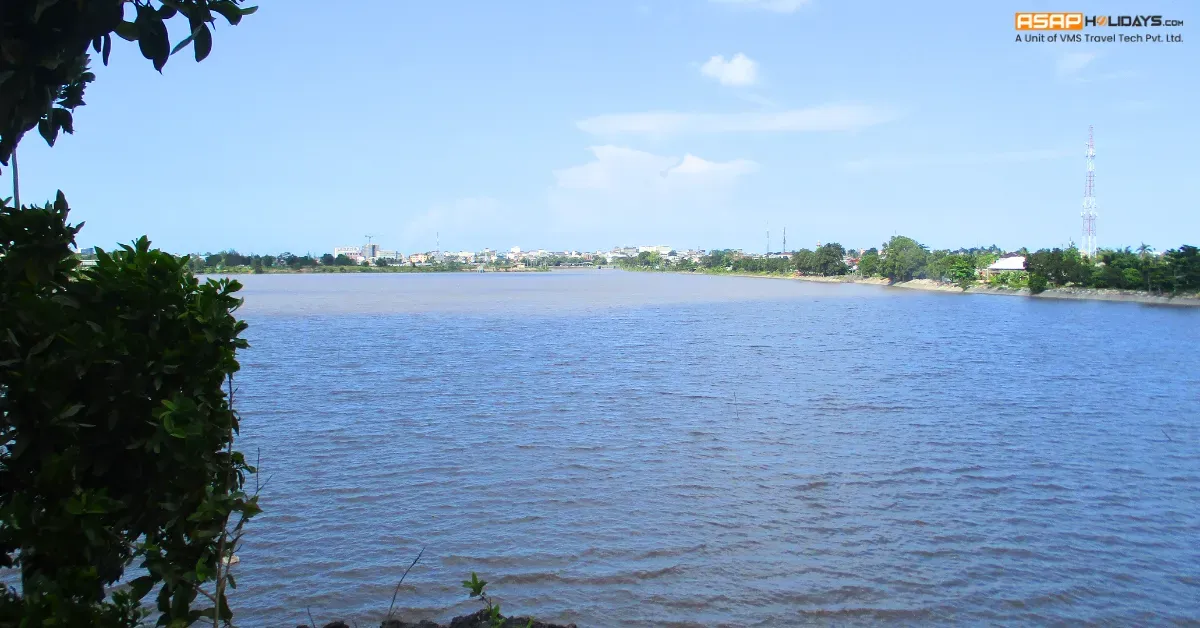
Bangka Island Travel Guide For Sumatra, Indonesia
If you’re looking for a slice of Indonesia that still feels untouched, Bangka Island might surprise you. Sitting just off the eastern coast of Sumatra, it’s often overlooked in favor of more famous spots—but that’s exactly its charm. Think quiet beaches, huge granite boulders, fresh seafood, and a pace of life that encourages you to slow down. Here’s everything you need to know before you go. How To Get To Bangka Island Getting to Bangka is easier than it might look on the map. Most people fly into Pangkal Pinang, the island’s main city. You’ll usually connect through Jakarta first, then take a short domestic flight (around an hour). It’s the fastest and most convenient option. If you prefer a more local experience, ferries run from Sumatra (typically from Palembang). They take longer, but if you’re not in a rush, it can be a nice way to arrive. Once you land or dock, getting to your hotel is simple—taxis are available, and in the main city, ride-hailing apps work fine. How To Get Around Bangka Island isn’t a place with extensive public transport, so you’ll need to be a bit independent. Renting a scooter is the most popular option. Roads are generally quiet, and it gives you the freedom to explore hidden beaches at your own pace. If you’re not comfortable driving, renting a car (with or without a driver) is a solid alternative. It’s especially useful if you’re traveling with family or in a group. Taxis are mostly limited to Pangkal Pinang, so don’t rely on them too much if you’re staying in beach areas. Also read: Best Places to Visit in Rajasthan in 2026 Where To Stay In Bangka Island Where you stay really shapes your experience here. If you want convenience—restaurants, shops, and easy transport—Pangkal Pinang is your best bet. But if you’re coming for the beaches (which you probably are), head to Sungailiat or the Tanjung Pesona area. This is where Bangka Island really shines. You’ll find resorts and smaller stays right by the water, often with incredible sunrise views. For a more relaxed trip, staying near the coast is definitely worth it. Best Things To Do In Bangka Beach hopping This is the main reason people come. Bangka’s beaches are known for their soft white sand and massive granite rocks scattered along the shoreline—it gives the island a really unique look. Some popular spots include Parai Tenggiri Beach and Matras Beach, but honestly, part of the fun is just exploring and finding your own quiet stretch of sand. Island hopping There are plenty of small islands nearby that you can visit on a day trip. Clear water, fewer people, and great snorkeling spots make this a highlight. Eat seafood Seafood here is fresh, simple, and delicious. Beachside restaurants serve everything from grilled fish to crab dishes, often caught the same day. Explore local life Spend some time in Pangkal Pinang or nearby villages. Markets, street food, and everyday life give you a better feel for the island beyond its beaches. Snorkeling and swimming While it’s not as famous as other Indonesian spots, Bangka Island still offers good snorkeling—especially around the smaller islands where the water is clearer. Also read: Gangtok Tour Package – Complete Travel Guide for a Perfect Sikkim Holiday Other Tips For Bangka Island A few things that will make your trip smoother: Best Time To Visit Bangka The dry season, from April to October, is the best time to go. You’ll get sunny days, calmer seas, and better conditions for beach hopping and island trips. April to June is especially nice—great weather without too many visitors. The rainy season (November to March) can still be manageable, but heavy rains might limit what you can do. How Long To Stay Bangka Island isn’t a place you rush through. Three days is enough to see the main highlights, but if you can, stay for four or five days. That gives you time to explore properly, take a boat trip, and still have a day or two to just relax. If you enjoy slower travel, you might end up wanting even longer. Read more: Local Culture and Traditions of the Andaman and Nicobar Islands FAQ – Gangtok Tour Package Is Bangka Island worth visiting? Yes, especially if you prefer quieter destinations without crowds. It’s simple, natural, and not overly developed. Is it safe? Bangka is generally very safe. Like anywhere, just take basic precautions. Do I need a visa? Indonesia offers visa-free entry or visa on arrival for many countries, but it’s always best to check the latest rules before traveling. Can I use cards? In hotels and some restaurants, yes—but cash is still the safest option overall. Is it good for snorkeling? It can be, particularly around nearby islands where the water is clearer and marine life is more visible. What’s the food like? Fresh seafood is the highlight. Simple, flavorful, and widely available. Yes, especially if you prefer quieter destinations without crowds. It’s simple, natural, and not overly developed. Bangka is generally very safe. Like anywhere, just take basic precautions. Indonesia offers visa-free entry or visa on arrival for many countries, but it’s always best to check the latest rules before traveling. In hotels and some restaurants, yes—but cash is still the safest option overall. It can be, particularly around nearby islands where the water is clearer and marine life is more visible. Fresh seafood is the highlight. Simple, flavorful, and widely available.
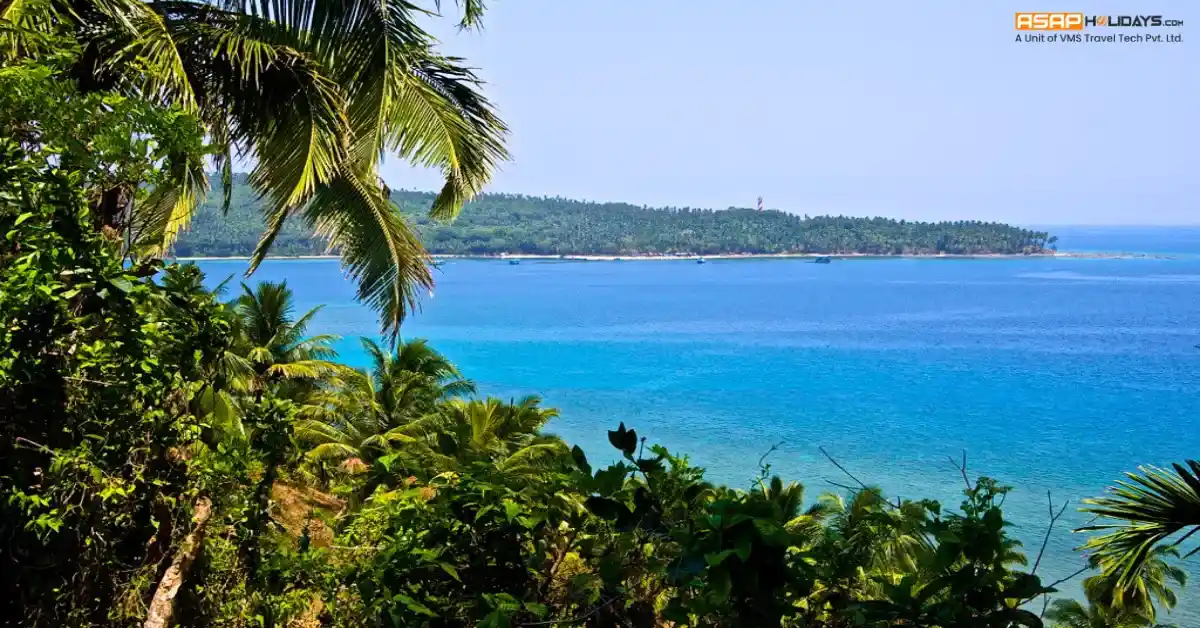
Local Culture and Traditions of the Andaman and Nicobar Islands
The Andaman and Nicobar Islands, a mesmerizing chain of islands located in the Bay of Bengal, are renowned for their pristine beaches, turquoise waters, and lush greenery. However, beyond their natural beauty, these islands are a treasure trove of culture and traditions. The islands’ cultural landscape is a fascinating blend of indigenous tribal heritage, colonial influences, and diverse communities that settled here from mainland India. To truly understand the unique identity of the Andaman and Nicobar Islands, one must delve into their history, people, languages, religions, occupations, festivals, cuisine, art, and lifestyle. Andaman and Nicobar Islands History The history of the Andaman and Nicobar Islands is as rich and complex as the islands themselves. Archaeological evidence indicates that these islands have been inhabited for thousands of years. The indigenous tribes of the Andaman Islands are considered among the oldest surviving groups of people in the world. Among these, the Great Andamanese, Onge, Jarwa, and Sentinelese tribes hold a prominent place. These tribes have preserved their ancient ways of life despite external influences, making them a living window into humanity’s distant past. Interestingly, these islands share historical connections with Austronesian cultures, particularly in language and customs. Over centuries, these isolated communities developed unique traditions, social structures, and rituals that remain largely untouched by modernity. The British colonial period marked a significant turn in the islands’ history. In the 19th century, the British established a penal colony, most famously the Cellular Jail in Port Blair. This brought prisoners and settlers from various parts of India, introducing new languages, customs, and cultural practices. The resulting cultural amalgamation transformed the islands into a melting pot of traditions. After India gained independence in 1947, the Andaman and Nicobar Islands were designated as a Union Territory, further integrating the islands into India’s national fabric while preserving their distinct identity. People The population of the islands is a mix of indigenous tribes and settlers from different Indian states. Indigenous communities continue to maintain their traditional lifestyles, characterized by hunting, fishing, and gathering. They have unique social customs, dress codes, and rituals that are central to their identity. For instance, marriage, courtship, and social interactions follow age-old tribal protocols, which remain largely untouched by modern influences. Settlers from states like West Bengal, Tamil Nadu, Kerala, and Andhra Pradesh introduced their customs, cuisines, languages, and festivals, creating a culturally diverse society. This blending of indigenous and settler communities has resulted in a dynamic, multicultural population that celebrates both old traditions and new practices. Despite differences, there exists a harmony between the communities, which is a hallmark of the islands’ social fabric. Language Language is a vital aspect of cultural identity in the Andaman and Nicobar Islands. The indigenous tribes speak languages unique to their communities, often not found anywhere else in the world. These languages, passed down orally over generations, carry the history, folklore, and beliefs of the tribes. Among the settler population, Hindi and English are widely spoken, serving as common languages for communication between communities. Bengali, Tamil, Telugu, and Malayalam are also prevalent, reflecting the islands’ diverse population. This multilingual environment allows for a rich exchange of ideas, customs, and traditions, further enriching the islands’ cultural heritage. Also read: Gangtok Tour Package – Complete Travel Guide for a Perfect Sikkim Holiday Literature Literature in the Andaman and Nicobar Islands is a reflection of both the islands’ natural beauty and its cultural diversity. Indigenous storytelling has a strong oral tradition, where myths, legends, and folklore are narrated around community gatherings and firesides. These stories often convey moral lessons, historical events, and the tribes’ deep connection with nature. Settlers introduced written literary forms, including poetry, novels, and essays. The blending of oral tribal stories with written literature from different parts of India has created a unique literary tapestry. Themes in Andamanese literature often focus on the islands’ geographical features, natural wonders, cultural practices, and human experiences. The result is a vibrant cultural expression that bridges the ancient and modern worlds. Religions The religious landscape of the Andaman and Nicobar Islands is as diverse as its population. Indigenous tribes primarily practice animism, a belief system that honors spirits in nature, ancestral spirits, and natural elements. These practices are deeply rooted in the tribes’ understanding of the world and their relationship with the environment. The settler communities brought with them major religions from mainland India. Hinduism, Christianity, Islam, and Sikhism are widely practiced, reflecting the islands’ multicultural and secular character. Festivals from various religions are celebrated with enthusiasm, highlighting the inclusive and harmonious nature of the islands’ society. Occupation and Economy Being islands, the Andaman and Nicobar Islands naturally have an economy closely tied to the sea. Fishing is the primary occupation for many residents, providing sustenance and livelihood. Coastal communities rely on traditional fishing techniques, while modern methods are also employed in larger settlements. Agriculture is another significant source of livelihood. The fertile soil and tropical climate allow for the cultivation of coconuts, areca nuts, spices, and various fruits. These agricultural practices are often family-run, combining traditional methods with modern agricultural techniques. Tourism has become a rapidly growing sector, attracting visitors from India and around the world. Local crafts, particularly items made from shells, coconuts, and wood, contribute to the economy and offer visitors a glimpse of the islands’ artistic traditions. Other small-scale businesses, including hospitality and transportation services, also provide employment opportunities for the local population. Lifestyle The lifestyle of the people in the Andaman and Nicobar Islands varies widely between indigenous tribes and settlers. Indigenous tribes live close to nature, following a primal lifestyle centered around hunting, fishing, and gathering. Their daily activities, rituals, and community events are deeply tied to the natural environment. Settlers, on the other hand, enjoy modern conveniences while maintaining a relaxed, stress-free lifestyle influenced by the islands’ serene and scenic environment. Despite the differences in lifestyle, there is a harmonious coexistence between tribal and settler communities. Both groups respect each other’s traditions, creating a society that balances modernity with ancient heritage. Also
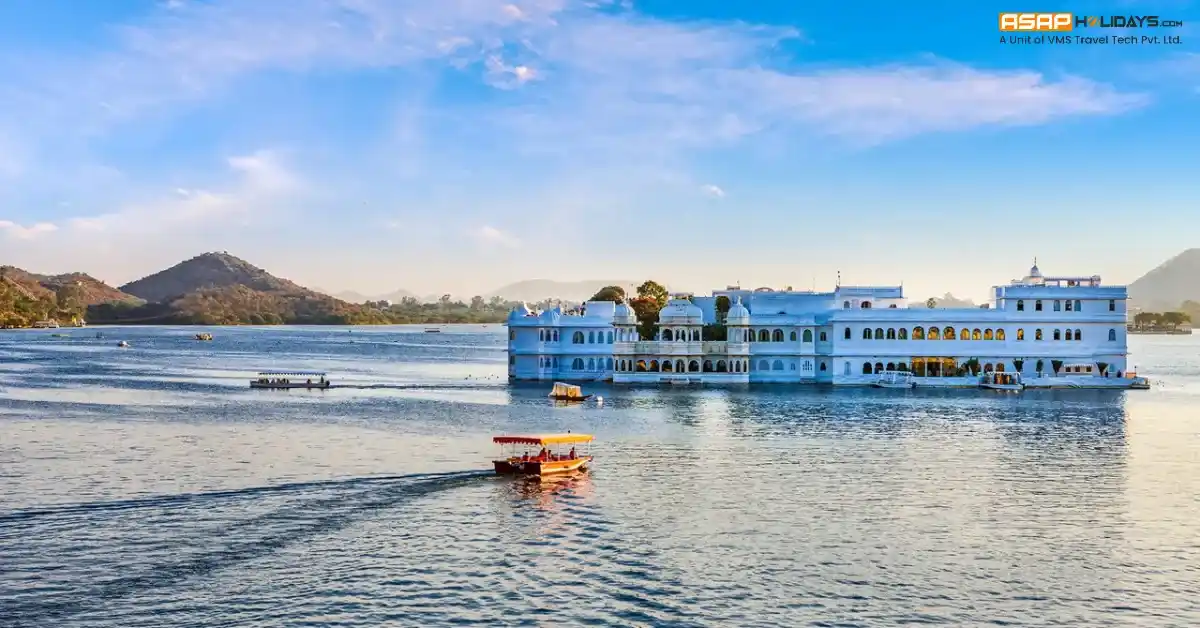
Best Places to Visit in Rajasthan in 2026
Rajasthan, the “Land of Kings,” is where history, culture, and landscapes come together in the most spectacular way. From grand forts and royal palaces to desert adventures and peaceful lakes, this vibrant state offers something for every traveler. If you’re planning a trip in 2026, Rajasthan promises even more pure tourism experiences, better connectivity, and unforgettable memories. Here’s a guide to the best places to visit in Rajasthan in 2026 that you should definitely include in your itinerary. 1. Jaipur – The Pink City Jaipur is the gateway to Rajasthan and a must-visit for its royal heritage and vibrant culture. Amber Fort Amber Fort is a stunning hilltop fortress known for its grand courtyards, intricate mirror work, and artistic Hindu-Rajput architecture. Overlooking Maota Lake, the fort offers breathtaking views, especially during sunrise and sunset. Visitors can explore Sheesh Mahal, enjoy light-and-sound shows, and experience a royal-style entry via jeep or elephant ride. City Palace Located in the heart of Jaipur, the City Palace is a magnificent complex blending Mughal and Rajput architecture. It houses museums displaying royal costumes, weapons, and artifacts. The beautifully designed courtyards, gates like Peacock Gate, and Chandra Mahal reflect the grandeur of Jaipur’s royal family. Hawa Mahal Hawa Mahal, or the Palace of Winds, is one of Jaipur’s most photographed landmarks. Built with 953 small windows (jharokhas), it allowed royal women to observe street life without being seen. The honeycomb design also keeps the structure cool, making it a fascinating architectural marvel. 2. Udaipur – The City of Lakes Udaipur offers a romantic and peaceful atmosphere with its lakes and palaces. Lake Pichola Lake Pichola is the heart of Udaipur and a major attraction for tourists. A boat ride here provides stunning views of City Palace, Jag Mandir, and the famous Lake Palace. The calm waters during sunset create a magical ambiance, making it one of the most scenic experiences in Rajasthan. City Palace Udaipur The City Palace of Udaipur is one of the largest palace complexes in India. Built on the banks of Lake Pichola, it offers panoramic views of the city and lake. Inside, visitors can admire intricate mirror work, marble balconies, and royal artifacts that showcase Mewar’s rich history. Saheliyon Ki Bari Saheliyon Ki Bari is a beautifully landscaped garden built for royal women. It features fountains, marble pavilions, lotus pools, and lush greenery. The peaceful environment makes it a perfect place to relax and experience the leisure lifestyle of Rajasthan’s royal era. 3. Jaisalmer – The Golden City Jaisalmer is famous for its desert landscapes and golden sandstone architecture. Jaisalmer Fort Jaisalmer Fort is one of the few “living forts” in the world, where people still reside. Built from golden sandstone, it glows beautifully under sunlight. Inside, you’ll find narrow lanes, temples, shops, and homes, offering a unique glimpse into medieval desert life. Sam Sand Dunes Sam Sand Dunes offer an unforgettable desert experience with camel rides, jeep safaris, and cultural performances. Spending a night in desert camps under a starry sky with traditional music and dance is one of the highlights of visiting Rajasthan. Patwon Ki Haveli Patwon Ki Haveli is a cluster of beautifully carved mansions that showcase the artistic brilliance of Rajasthan. The detailed stone carvings, balconies, and mirror work make it a must-visit for architecture lovers and history enthusiasts. 4. Jodhpur – The Blue City Jodhpur is known for its blue-painted houses and rich cultural heritage. Mehrangarh Fort Mehrangarh Fort stands tall on a hill, offering panoramic views of Jodhpur. It is one of the largest forts in India, featuring grand palaces, museums, and galleries. The fort’s history, architecture, and preserved artifacts provide a deep insight into Rajasthan’s royal past. Jaswant Thada Jaswant Thada is a peaceful white marble memorial built in memory of Maharaja Jaswant Singh II. Its intricate carvings, gardens, and serene lake setting make it a calm retreat away from the city’s hustle. Toorji Ka Jhalra This historic stepwell is a hidden gem in Jodhpur. Restored beautifully, it reflects ancient water management systems and offers a perfect spot for photography and relaxation amidst heritage surroundings. 5. Pushkar – A Spiritual Destination Pushkar is known for its spiritual charm and cultural vibrancy. Pushkar Lake Pushkar Lake is considered sacred and is surrounded by 50+ ghats. Pilgrims come here to take holy dips, believing it cleanses sins. The peaceful atmosphere, especially during sunrise and sunset, creates a deeply spiritual experience. Brahma Temple This rare temple dedicated to Lord Brahma attracts devotees from all over India. Its unique architecture and religious importance make it one of the most significant spiritual landmarks in Rajasthan. 6. Mount Abu – The Hill Station of Rajasthan Mount Abu offers a refreshing escape with cool weather and greenery. Dilwara Temples The Dilwara Temples are famous for their extraordinary marble carvings, considered among the finest in India. The detailed craftsmanship and peaceful atmosphere make it a must-visit spiritual site. Nakki Lake Nakki Lake is a popular tourist spot surrounded by hills and legends. Visitors can enjoy boating, evening walks, and scenic sunset views, making it perfect for relaxation. Guru Shikhar Guru Shikhar is the highest peak in Rajasthan, offering breathtaking panoramic views of the Aravalli Range. It’s an ideal spot for nature lovers and photographers. Final Thoughts Rajasthan in 2026 is a perfect blend of heritage, culture, and adventure. Whether you’re exploring royal palaces in Jaipur, enjoying lakeside serenity in Udaipur, or experiencing desert life in Jaisalmer, every destination offers something unique. Plan your journey well, and Rajasthan will reward you with memories that last a lifetime. Read more: Gangtok Tour Package – Complete Travel Guide for a Perfect Sikkim Holiday Best Christmas Celebration Spots Worldwide — Expert Travel Guide Meena Bazaar Dubai – Complete Shopping & Travel Guide FAQ – Gangtok Tour Package When is the ideal time to travel to Rajasthan? The most comfortable time to explore Rajasthan is from October to February. During these months, the weather remains cool and pleasant, making it perfect for sightseeing, desert safaris, and visiting